Samurai vs Immortal
One creates decisive pressure; the other makes the rest of your squad work longer. Use the formation rules below as a repeatable test, then confirm current unit details in the live game.
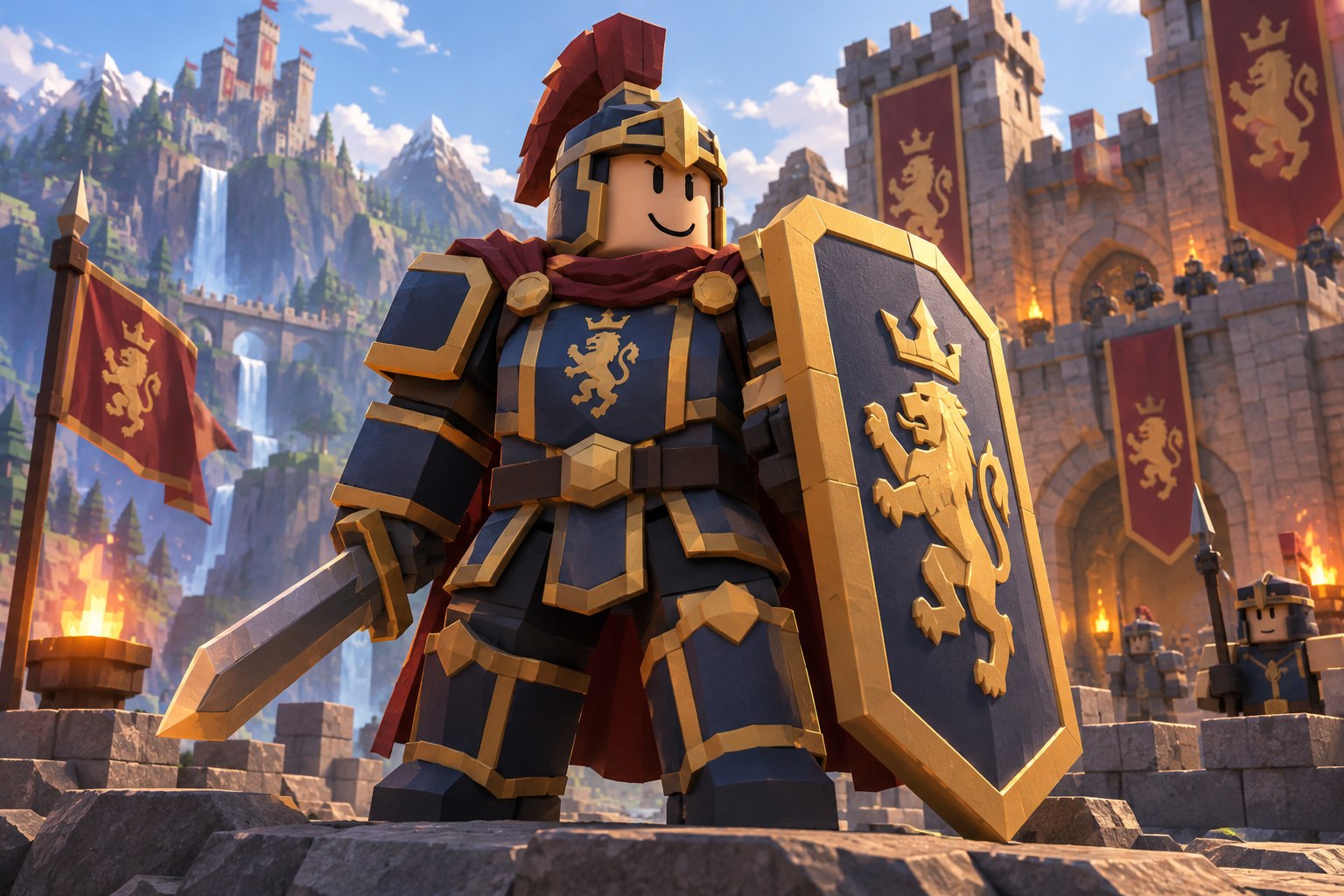
Why both rank highly
Recent tier-list coverage places Samurai and Immortal among the strongest options, but they should not be treated as interchangeable. Samurai is selected to create threatening melee pressure. Immortal is selected to absorb pressure and protect the formation behind it. The better choice depends on the problem your other three slots cannot solve.Pick Samurai when
Choose Samurai when your squad survives first contact but struggles to convert that survival into kills or objective momentum. Support it with a unit that prevents early focus and a ranged or mobile option that punishes the enemy response. Do not expect one aggressive slot to repair a formation with no anchor.Pick Immortal when
Choose Immortal when your damage line is strong but loses its firing time, or when you need a stable first order on Defend. Its value is multiplied by the units behind it. A defensive anchor without meaningful follow-up only delays the same loss.Direct decision table
| Your squad problem | Better first test |
|---|---|
| Frontline collapses immediately | Immortal |
| Stable line, low finishing pressure | Samurai |
| Blind Ranked queue | Immortal for safety |
| Coordinated attack with support | Samurai for tempo |
Compare both profiles in the complete Unit Wiki.
Sources and verification
- Official Roblox experience — authoritative for the live title and core game description.
- Pro Game Guides tier list — current third-party unit context, checked against our own role-based analysis.
- Our editorial and media policy — explains evidence labels, corrections, and AI-assisted image disclosures.
Last reviewed September 29, 2026Live game screens and official announcements outrank third-party tables. Tactical recommendations are editorial analysis, not hidden game data.