Build around jobs
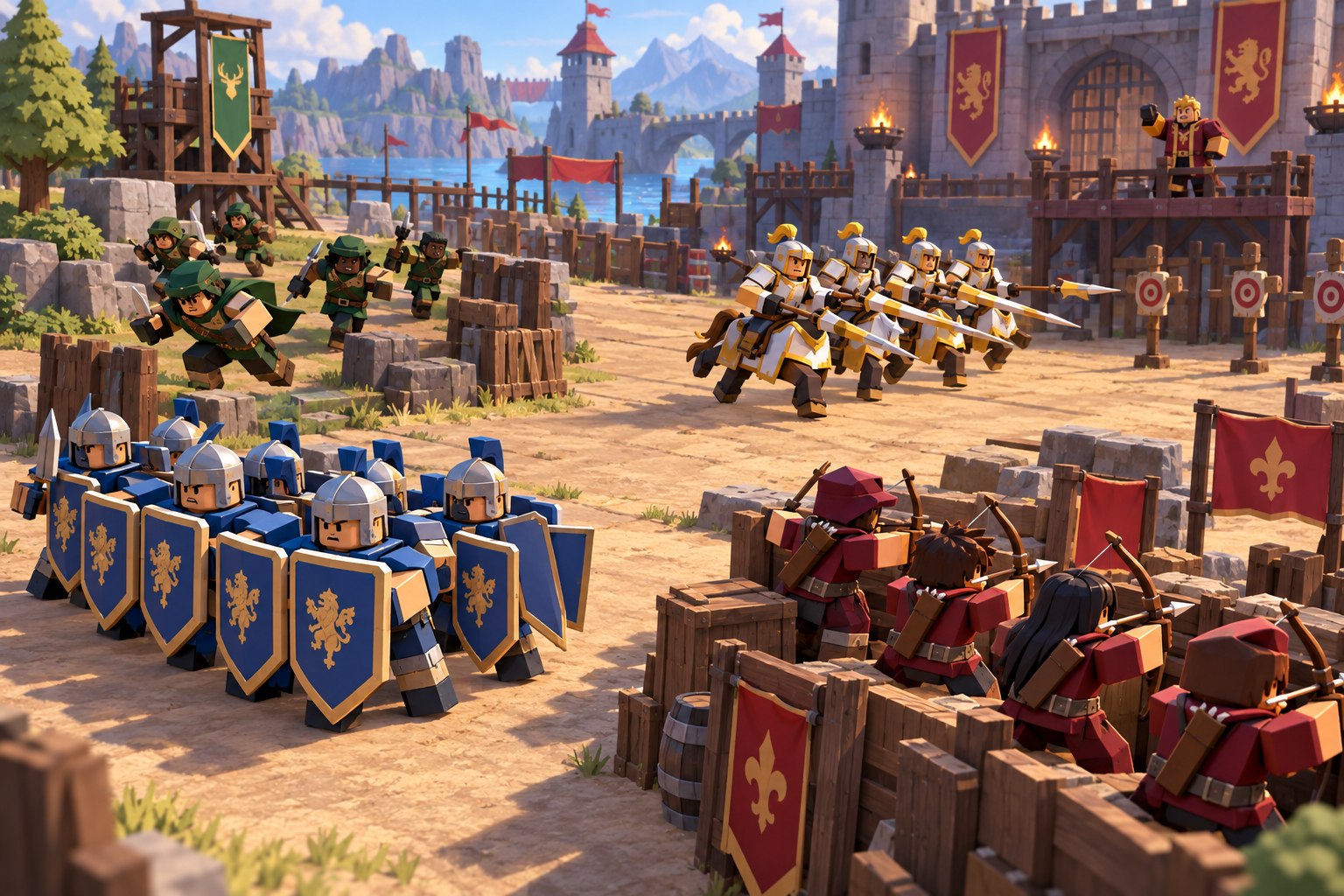
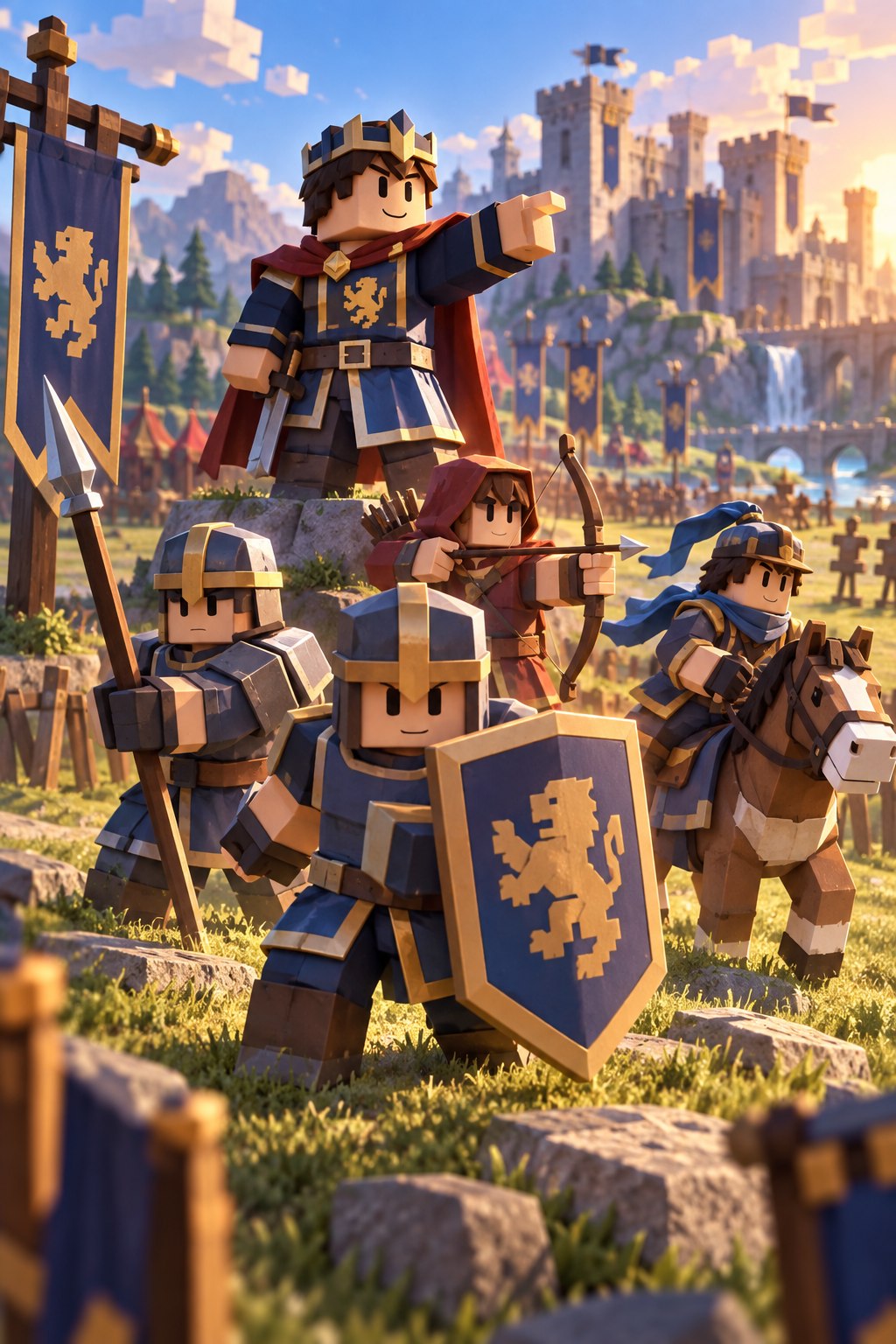
The best formation is the one that performs its required jobs consistently. Judge a squad by frontline stability, safe damage, mobility, and how easily one loss causes the rest to collapse. Stars and editorial tiers help compare units, but role coverage tells you whether the army works as a system.
Balanced progression squad
| Slot | Example | Purpose |
|---|---|---|
| Frontline 1 | Shieldman or Spartan | Absorb the first wave of pressure |
| Frontline 2 | Spearman or Immortal | Hold space and support the anchor |
| Ranged | Archer or Crossbowman | Deal damage from behind the screen |
| Mobile | Scout Rider | Respond to flanks and open lanes |
This is the safest default because it does not depend on one unit surviving or one damage source carrying the entire fight. Upgrade within each job as better units become available.
Frontline control squad
Use three frontline units plus one ranged unit when your main problem is losing the central fight too quickly. A durable anchor, a second line-holder, and an aggressive melee unit can create a wide screen for the ranged slot.
The tradeoff is obvious: a slow formation may struggle to react. If opponents repeatedly move around your line, replace the least productive frontline slot with Scout Rider rather than adding even more durability.
Ranged pressure squad
Two frontline units and two ranged units can punish enemies that fail to reach your back line. The formation needs enough space between the screen and the damage dealers. If the frontline collapses early, the second ranged unit becomes a liability.
Choose this template when your defensive core is already dependable. It is not a shortcut around weak frontline play.
Mobile response squad
A mobile-focused variation uses one strong anchor, one supporting frontline unit, one ranged unit, and Scout Rider. It sacrifices some static strength for the ability to contest space and respond to threats. This can feel better on maps where fights happen in several places rather than at one narrow point.
Diagnose a losing formation
- If the frontline disappears first, add durability or replace the weakest line-holder.
- If the army survives but cannot finish fights, improve ranged or focused damage.
- If the squad arrives late or is constantly flanked, add mobility.
- If one rare unit consumes resources without solving a job, pause upgrades and test another slot.
Test before you commit
Change one slot at a time, then play enough to observe the same situation more than once. Multiple simultaneous changes make it hard to know what helped. Use the army builder to check role balance, then compare candidate replacements in the unit tool.